
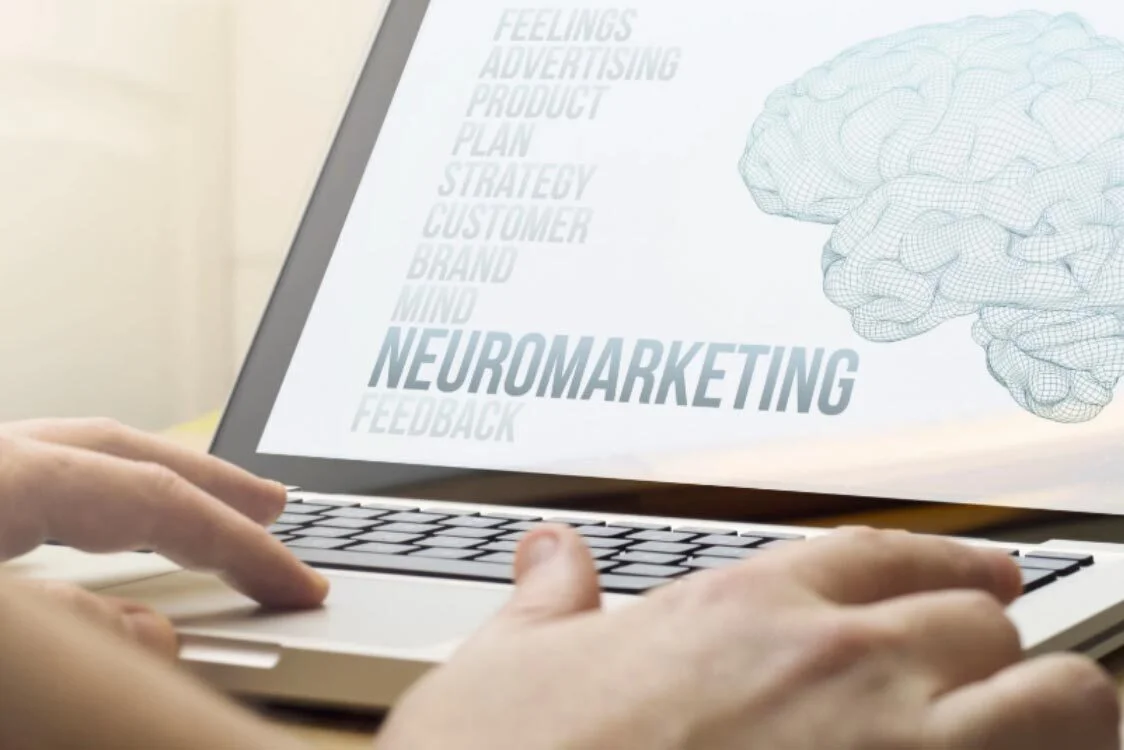
In a digital world overflowing with choices, users rarely make decisions purely on logic. Emotions, instincts, and subconscious triggers play a far greater role than most brands realise. This is where neuromarketing tactics become essential. Instead of guessing what users want, neuromarketing helps businesses understand why users behave the way they do and how subtle cues influence their actions.
Successful brands don’t just design websites or campaigns that look good—they design experiences that feel right. By applying neuromarketing tactics, marketers can create journeys that naturally guide users toward engagement, trust, and conversion. This blog explores the science-backed methods that improve decision-making, reduce friction, and increase conversions without overwhelming the user.
Before diving into the top-performing strategies, it’s important to understand the foundation behind neuromarketing and why it works so effectively in modern digital marketing.
What Is Neuromarketing?
Neuromarketing is a discipline that combines neuroscience, psychology, and marketing to study how the human brain responds to branding, messaging, design, and user experiences. Rather than relying only on surveys or opinions, neuromarketing focuses on subconscious reactions that influence decision-making.
At its core, neuromarketing helps brands understand attention, emotion, memory, and motivation. These are the same factors that determine whether a user stays on a website, clicks a button, or abandons a checkout process. When applied correctly, neuromarketing tactics align marketing efforts with natural human behaviour instead of fighting against it.
Modern marketers rely on insights drawn from neuromarketing psychology to identify what triggers trust, urgency, curiosity, or reassurance. These insights are then used to shape layouts, content structure, visuals, and calls to action that feel intuitive rather than forced.
How Neuromarketing Influences Buying Decisions
Most purchasing decisions are made subconsciously within seconds. The brain processes visuals faster than text, emotions faster than logic, and familiarity faster than novelty. Neuromarketing studies these patterns to understand how users react even before they consciously realise it.
By analysing eye movement, attention flow, and emotional responses, marketers can refine experiences using proven neuromarketing tactics. This ensures that key elements—like value propositions, trust signals, or call-to-action buttons—appear at the right time and place in the user journey.
Instead of overwhelming users with information, neuromarketing simplifies choices, reduces cognitive load, and builds confidence in decision-making. Subtle cues such as social proof, limited-time offers, emotionally resonant visuals, or carefully placed imagery can guide users toward action naturally. For a deeper dive into designing intuitive experiences, check out our 7 fundamental user experience (UX) design principles.
By aligning design and messaging with the brain’s natural decision-making patterns, marketers can create experiences that feel intuitive and persuasive. This not only improves conversions but also strengthens user satisfaction and trust, forming the foundation for long-term engagement.
Why Neuromarketing Matters for Conversions
Conversion optimisation isn’t just about better copy or stronger offers—it’s about understanding the psychological triggers behind user decisions. Users hesitate when something feels unclear, risky, or overwhelming.
By applying neuromarketing tactics, businesses can:
- Reduce decision fatigue by simplifying choices
- Build emotional trust through relatable visuals and messaging
- Increase perceived value with strategic cues and context
- Encourage faster action by highlighting key benefits and calls to action
These outcomes directly impact conversion rates, engagement, and overall customer satisfaction. When users feel confident and understood, they’re more likely to complete desired actions, creating measurable improvements in performance.
Neuromarketing vs Traditional Marketing
Traditional marketing often relies on assumptions, trends, or surface-level data. Neuromarketing, on the other hand, is grounded in understanding how the brain actually responds.
While traditional methods may ask users what they think, neuromarketing observes what users actually do. By leveraging behavioural insights and neuromarketing techniques, brands can test layouts, messaging, and interactions to see which elements genuinely resonate. Using predictive analytics to anticipate user behaviour can make these tests even more effective, as explained in our blog on How Predictive Analytics is Shaping Digital Marketing Campaigns.
This approach leads to smarter optimisation, more reliable results, and measurable improvements across websites, ads, and marketing funnels. By focusing on real responses rather than opinions, businesses can design experiences that feel natural, persuasive, and engaging.
The Role of Ethics in Neuromarketing
Neuromarketing is not about manipulation—it’s about clarity, alignment, and enhancing user experience. Ethical use of neuromarketing tactics prioritizes improving usability and satisfaction rather than exploiting vulnerabilities.
Transparent messaging, honest offers, and user-first design ensure that neuromarketing builds trust instead of eroding it. When users feel understood and respected, they’re more likely to engage with your brand, make confident purchasing decisions, and return in the future. Ethical neuromarketing creates sustainable conversions that benefit both users and businesses.
Neuromarketing in Digital Experiences

From landing pages to mobile apps, neuromarketing plays a critical role in digital performance. Every colour choice, spacing decision, and headline placement sends a psychological signal.
By following practical neuromarketing tips, businesses can design digital experiences that feel effortless. This includes simplifying navigation, highlighting key actions, and reinforcing reassurance signals at critical moments. Leveraging AI-driven personalization can further enhance these experiences—learn how in our guide on Personalization at Scale: The Power of AI Chatbots in Marketing.
When done well, neuromarketing tactics transform digital platforms into intuitive environments that support decision-making rather than interrupt it.
15 Core Neuromarketing Tactics That Drive User Action
Understanding the science behind neuromarketing is the first step, but the real impact comes from applying this knowledge strategically. Once users land on your website, their brains start filtering information, with attention being selective, emotions reacting instantly, and decisions often forming before conscious thought catches up. We’ll explore the core neuromarketing tactics that influence attention, trust, and decision-making during the most critical stages of the user journey—starting with visual hierarchy, cognitive ease, and trust-building triggers that drive conversions.
1. Visual Hierarchy That Guides the Eye
The human brain scans before it reads. If users don’t instantly understand where to look, they disengage. A clear visual hierarchy helps users process information effortlessly and nudges them toward desired actions.
Effective neuromarketing tactics use size, contrast, spacing, and alignment to highlight what matters most—headlines, benefits, and calls to action. When the eye is guided naturally, users feel less overwhelmed and more confident in moving forward.
This principle is deeply rooted in neuromarketing psychology, as the brain seeks patterns and structure to reduce cognitive effort.
2. Emotional Headlines That Trigger Curiosity
People act when they feel something. Headlines that evoke curiosity, relief, or anticipation outperform those that simply describe features. Emotional triggers activate the limbic system, which plays a key role in decision-making.
By applying neuromarketing tactics to headline writing, brands can spark interest without exaggeration. Subtle emotional cues—such as addressing pain points or highlighting transformation—encourage users to continue reading instead of bouncing.
3. Social Proof to Reduce Perceived Risk
Humans are wired to follow others, especially in moments of uncertainty. Reviews, testimonials, ratings, and client logos all act as reassurance signals.
One of the most effective neuromarketing tactics is placing social proof near decision points, such as sign-up forms or checkout buttons. This reassures users that others have already taken the same step and benefited from it.
This approach is a core part of modern neuromarketing techniques, helping reduce fear and increase trust without additional persuasion.
4. Colour Psychology for Emotional Response
Colour psychology triggers subconscious emotional reactions. For example, blue signals trust, green suggests balance, and red creates urgency. Choosing the right colour palette can significantly impact how users perceive your brand and offers.
Strategic use of colour is one of the most overlooked neuromarketing tactics, yet it plays a powerful role in guiding behaviour. Call-to-action buttons, alerts, and highlights should stand out without feeling aggressive.
When colours align with brand intent and user expectations, engagement improves naturally.
5. Cognitive Ease Through Simplicity
The brain prefers what feels easy. Complex layouts, long forms, or dense content create friction and decision fatigue.
Effective neuromarketing tactics focus on simplifying choices, breaking content into scannable sections, and reducing unnecessary steps. The easier it is to process information, the more likely users are to act. For practical guidance on streamlining interfaces and layouts, see our article on 5 UI UX Best Practices for Developers.
This principle is often reinforced through practical neuromarketing tips, such as using bullet points, clear labels, and familiar patterns that users instantly recognise.
6. Strategic Placement of Calls to Action
A call to action should appear exactly when the user is mentally ready to take the next step. Placing CTAs too early can feel pushy; placing them too late can miss the moment of intent.
By using neuromarketing tactics, marketers align CTAs with moments of emotional reassurance or value clarity. Language also matters—action-oriented yet low-pressure wording performs best. Strategic placement of campaigns is crucial for impact, as discussed in Performance Marketing in 2025: Beyond Clicks and Impressions.
This alignment reduces hesitation and increases click-through rates without forcing urgency.

7. Storytelling That Builds Emotional Connection
Stories activate more areas of the brain than facts alone. When users see themselves reflected in a story, trust and engagement increase.
Using storytelling as part of neuromarketing tactics allows brands to frame their message around transformation rather than features. This emotional journey helps users imagine the outcome before making a decision.
Story-driven sections are especially effective on landing pages and service pages where emotional buy-in is crucial.
8. Anchoring to Influence Perceived Value
Anchoring is a cognitive bias where people rely heavily on the first piece of information they see. Pricing pages often use this technique by showing a higher-priced option first.
This is one of the most practical neuromarketing tactics for shaping value perception. When users compare options, the anchored reference makes other choices feel more reasonable and attractive.
When done ethically, anchoring helps users make faster, more confident decisions.
9. Trust Signals at Key Friction Points
Users hesitate at moments of risk—sharing personal data, making payments, or committing time. Trust badges, guarantees, and clear policies reduce anxiety at these points.
Embedding trust signals is a subtle yet powerful application of neuromarketing techniques. These cues reassure the brain that the decision is safe, lowering resistance without additional explanation.
Trust signals work best when placed exactly where doubt is most likely to occur.
10. Consistency to Reinforce Familiarity
Consistency across design, tone, and interaction builds familiarity, and familiarity breeds trust. When elements behave as expected, users feel in control.
Maintaining consistency is a foundational neuromarketing tactic that supports long-term engagement. It reassures users subconsciously that they’re in a reliable environment.
This sense of predictability keeps users moving forward rather than second-guessing their choices.
11. Contrast and Visual Separation to Guide Attention
Humans are naturally drawn to elements that stand out from their surroundings. Using contrast in colors, typography, or element size helps users focus on critical calls-to-action (CTAs) or offers. Strategic whitespace can also direct attention by separating key sections from the rest of the page.
This subtle approach is one of the most effective neuromarketing tactics, enhancing clarity while reducing cognitive overload. Designers applying these methods alongside user neuromarketing techniques ensure that essential content captures attention without overwhelming the user.
12. Reciprocity: Offering Value First
Reciprocity is a powerful principle rooted in neuromarketing psychology. When users receive something of value—such as a free e-book, trial, or discount—they feel an unconscious desire to reciprocate. This can increase email sign-ups, purchases, or engagement with additional content.
Implementing reciprocity as a neuromarketing tactic builds goodwill and trust. Offering resources upfront creates a positive emotional response that encourages users to act, reinforcing brand loyalty and increasing conversions naturally.
13. Social Proof to Reinforce Trust
People rely on the behavior and opinions of others to make decisions, especially in online environments. Displaying reviews, testimonials, case studies, or real-time user metrics demonstrates that others have engaged positively with your product or service.
Social proof is a key neuromarketing tactic, tapping into collective validation to reduce uncertainty and hesitation. Combining social proof with neuromarketing tips ensures users feel confident, which significantly increases the likelihood of completing the desired action.
14. Iterative Testing and Behavioral Optimization
No strategy is complete without testing. A/B testing, heatmaps, click-tracking, and behavioral analytics allow marketers to refine neuromarketing tactics continuously. By analyzing how users interact with CTAs, page layouts, and visual elements, businesses can adapt and optimize experiences based on real data.
Applying neuromarketing techniques iteratively ensures that both the interface and messaging align with user expectations and subconscious triggers. Over time, this data-driven approach significantly enhances engagement, retention, and conversion rates.
15. Ethical Use of Psychological Triggers
While neuromarketing tactics provide powerful levers to influence behavior, ethics must guide their application. Manipulative tactics can damage trust, while transparent and user-centric approaches strengthen relationships.
Aligning strategies with neuromarketing psychology ensures that interventions benefit both the user and the business. For instance, using scarcity or urgency should be truthful and not misleading, and reward mechanisms should genuinely provide value. Ethical application of these tactics not only increases conversions but also supports long-term customer loyalty.
Conclusion: Mastering Neuromarketing for Sustainable Growth
By implementing all 15 neuromarketing tactics, businesses can strategically influence user behavior while maintaining trust and credibility. From emotional triggers and social proof to ethical reinforcement and behavioral testing, these strategies ensure that every interaction drives meaningful engagement.
The combination of neuromarketing psychology, actionable neuromarketing tips, and practical neuromarketing techniques equips brands to optimize the user journey, reduce friction, and boost conversions consistently. Companies that embrace these principles gain a competitive advantage, turning insights from human behavior into measurable business outcomes. To ensure these tactics support your overall goals, see our guide on How to Align Your Marketing Strategy Plan with Business Objectives.
Transform Your Marketing with Smart Digitants
Ready to elevate your conversions using scientifically-backed neuromarketing tactics? At Smart Digitants, we provide digital marketing strategy and comprehensive neuromarketing solutions tailored to your business needs.
- Implement actionable neuromarketing techniques across your digital channels
- Leverage insights from neuromarketing psychology to optimize user engagement
- Apply proven neuromarketing tips to improve conversions and customer retention
👉 Book a consultation today and let Smart Digitants help you harness the full power of neuromarketing to drive growth, engagement, and measurable results.

Our Content Writing Team at Smart Digitants is a group of dedicated professionals, passionate about creating high-quality, engaging content.


