
What Is a UGC Platform and Why Does It Matter?
A UGC platform is a digital marketplace or software tool that connects brands with creators who produce user-generated content, such as product videos, lifestyle reels, unboxings, tutorials, reviews, testimonials, and branded storytelling pieces. These platforms streamline creator discovery, communication, content briefs, approvals, payments, and campaign management.
In 2026, UGC has become a core foundation of digital marketing, with brands shifting from traditional influencer-led campaigns to platform-agnostic UGC that outperforms influencer campaigns across networks, and now drives higher conversions and broader engagement metrics globally. UGC-first approaches now account for a growing share of influencer and social media campaigns, surpassing many single-platform influencer strategies.
A UGC platform matters because it provides:
Easy creator sourcing
Businesses no longer need to search manually for creators. AI-driven tools match brands with talent based on niche, audience fit, and performance metrics.
Faster content production
Brands can generate dozens of videos each month without managing large in-house teams.
Scalable paid ads content
UGC consistently outperforms polished ads. These platforms deliver ad-ready assets that improve ROAS and reduce creative fatigue.
A trusted workflow
From briefs to revisions and licensing, UGC platforms handle legal and operational complexities that brands struggle to manage alone.
UGC platforms have evolved into essential marketing tools, enabling brands to stay competitive in a content-heavy digital landscape
How We Selected the Top 15 UGC Platforms for 2026
Choosing the best UGC platform for your brand requires a clear understanding of tools, features, pricing, and creator capabilities. For this list, we assessed each UGC platform based on criteria that matter most to UK businesses.
Evaluation Criteria
1. Creator Network Quality
We assessed the size, diversity, and professionalism of each platform’s creator pool. A strong UGC platform must offer access to verified creators with proven niche expertise. We also considered platforms prioritising partnerships with micro‑ and nano‑creators, since smaller creators now deliver higher engagement and stronger trust than in many niches.
2. Platform Features
This includes campaign management tools, content review systems, AI-based matching, analytics dashboards, licensing controls, and brand safety mechanisms. AI‑assisted performance insights and creator collaboration features also became key selection criteria, due to the growth of real‑time content analytics and AI‑powered asset selection.
3. Pricing Transparency
We prioritised platforms that offer clear, accessible pricing suitable for SMEs, agencies, and enterprise-level brands. Emerging pricing models increasingly reflected performance‑linked compensation options and transparent creator payout data, which we included where applicable.
4. Content Quality and Output
A UGC platform should consistently deliver content that aligns with brand guidelines, UK advertising standards, and digital performance expectations.
5. Integration and Usability
We examined how easily each UGC platform integrates with social channels, ad accounts, and CRM systems. Platforms offering direct commerce integrations (e.g., shoppable UGC, affiliate links) were considered highly valuable due to the growing connection between UGC and social commerce.
6. Suitability for UK Brands
The UK marketing landscape has its own compliance requirements, audience preferences, and cultural context. Platforms were evaluated on how well they support UK-based businesses.
This transparent selection process ensures the final list represents the strongest and most reliable UGC platforms available.
The Top 15 UGC Platforms in 2026 (Full List and Analysis)
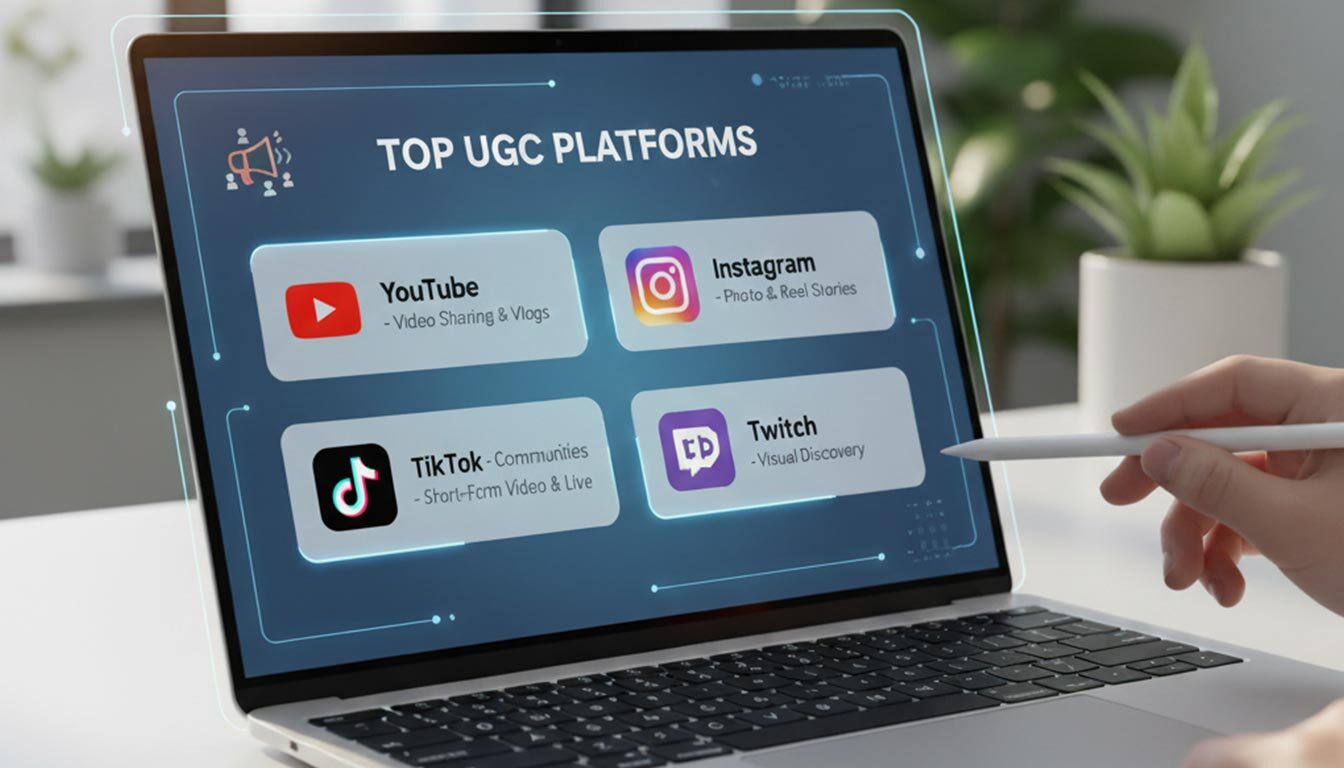
User‑generated content has transformed from a marketing trend into a cornerstone of digital strategy. In 2026, the UGC platform is no longer just a tool for creators, it is a vital ecosystem where brands, influencers, and everyday users converge to build trust and authenticity. Platform‑agnostic UGC now outpaces TikTok‑first influencer campaigns, with brands shifting budgets toward reusable UGC content across channels.
Below, we explore the top 15 UGC platforms, highlighting their unique features, benefits, and how they empower both creators and businesses.
Would you like me to expand each platform into individual sub-sections with detailed analysis (features, pros, cons, and ideal use cases), or keep the list concise with short summaries?
1. TikTok Creator Marketplace
TikTok remains one of the most influential UGC platforms. Its Creator Marketplace has evolved into a sophisticated hub where brands can directly connect with influencers, micro-creators, and niche communities. The platform leverages AI-driven analytics to match businesses with creators whose audiences align with campaign goals. However, TikTok‑led campaigns have declined as brands increasingly prefer platform‑agnostic UGC strategies.
Features and Benefits:
- Advanced audience insights and demographic targeting
- Transparent pricing and campaign management tools
- Seamless integration with TikTok Ads for paid amplification
Challenges:
- High competition among creators can inflate costs
- Short-form content may not suit all industries
Best Use Cases: Brands targeting Gen Z and millennials, particularly in fashion, lifestyle, and entertainment, benefit most from TikTok’s dynamic storytelling environment.
2. Instagram Collab Hub
Instagram has cemented its position as a leading UGC platform by introducing Collab Hub, a dedicated space for creators and brands to connect. In 2026, Instagram’s ecosystem still outperforms single‑platform campaigns due to its high user engagement and commerce tools. Brands looking for flexible reposting and ecommerce integration remain strong on this platform.
Features and Benefits:
- Centralised hub for brand–creator partnerships
- Seamless integration with Instagram Shopping and Reels
- Advanced analytics for campaign performance tracking
Challenges:
- Saturation of influencers can make discovery difficult
- Algorithm changes may affect visibility and reach
Best Use Cases: Lifestyle, fashion, beauty, and retail brands thrive on Instagram Collab Hub, where visual storytelling and shoppable content merge to create powerful consumer journeys.
3. YouTube BrandConnect
YouTube continues to dominate long-form video content, and BrandConnect has evolved into a robust UGC platform for structured collaborations. In 2026, concerns around affiliate compliance and FTC disclosure guidelines have increased transparency expectations, especially for creator marketing and monetization.
Features and Benefits:
- Long-form storytelling opportunities
- Monetisation options for creators
- Global reach with diverse audience demographics
Challenges:
- Production costs for video content can be high
- Longer content requires greater viewer commitment
Best Use Cases: Tech, education, and entertainment sectors benefit most from YouTube BrandConnect, where in-depth product reviews, tutorials, and storytelling drive engagement.
4. Flowbox
Flowbox has emerged as a specialised UGC platform designed to help brands collect, curate, and distribute user-generated content. Its automated moderation tools and e-commerce integrations make it particularly valuable for retail and hospitality businesses.
Features and Benefits:
- Automated UGC curation and moderation
- Integration with e-commerce platforms
- Compliance features for regulated industries
Challenges:
- Limited creator marketplace compared to social platforms
- Best suited for brands rather than individual creators
Best Use Cases: Retailers and hospitality businesses use Flowbox to showcase authentic customer experiences, boosting trust and conversions through curated UGC.
5. Spotlight
Spotlight remains valuable for micro‑creator content, especially for authenticity‑driven campaigns. Marketplaces that prioritise smaller creators with strong engagement continue to outperform higher‑follower influencer lists due to trust and conversion‑based metrics.
Features and Benefits:
- Accessible to creators with smaller but highly engaged audiences
- Transparent collaboration process with fair compensation models
- Emphasis on authentic, community-driven content
Challenges:
- Limited reach compared to global giants like TikTok or Instagram
- Still developing advanced analytics and reporting features
Best Use Cases: Spotlight is ideal for brands seeking grassroots campaigns, where authenticity and relatability matter more than scale. Emerging businesses and niche industries benefit most from this approach.
6. Fourthwall
Fourthwall is a creator-first UGC platform that blends content collaboration with monetisation opportunities. It has become a hub for independent creators who want to build sustainable businesses around their content. Fourthwall allows creators to launch storefronts, sell merchandise, and integrate UGC campaigns directly into their brand ecosystem. Its suite has expanded with performance‑focused analytics and creator business tools in 2026.
Features and Benefits:
- Integrated storefronts for merchandise and digital products
- Direct-to-fan monetisation tools
- Community-building features to strengthen creator–audience relationships
Challenges:
- Requires creators to manage business operations alongside content creation
- Best suited for creators with established communities
Best Use Cases: Independent creators, niche communities, and influencers who want to monetise beyond brand deals find Fourthwall invaluable. It empowers creators to diversify income streams while maintaining authenticity.
7. AspireIQ
AspireIQ remains a powerful UGC and influencer management platform. In 2026, scalability and performance measurement tools are even more critical as brands require data‑driven insights across creator campaigns.
Features and Benefits:
- Comprehensive campaign management dashboard
- Advanced analytics for performance tracking
- Scalable collaboration tools for large teams
Challenges:
- Higher costs compared to smaller UGC platforms
- Best suited for brands with significant marketing budgets
Best Use Cases: AspireIQ is ideal for mid-to-large businesses managing multiple influencer campaigns. It provides the infrastructure needed to scale UGC efforts while maintaining quality and compliance.
8. Taggbox
Taggbox has established itself as a versatile UGC platform that enables brands to collect, curate, and showcase user-generated content across multiple channels. Its AI‑driven moderation and product tagging features make it strong for ecommerce experiences and conversion‑oriented UGC usage.
Features and Benefits:
- Aggregates UGC from social platforms and customer reviews
- Real-time content curation with moderation tools
- Multi-channel publishing, including websites, apps, and digital signage
Challenges:
- Requires consistent moderation to maintain brand safety
- Best suited for brands with active customer engagement
Best Use Cases: Retailers, event organisers, and hospitality businesses use Taggbox to amplify customer experiences, turning authentic feedback into powerful marketing assets.
9. Bazaarvoice
Bazaarvoice remains a trusted UGC platform specialising in customer reviews and ratings. It continues to empower brands by leveraging authentic consumer feedback to build trust and drive conversions. Its ability to aggregate reviews across multiple retailers makes it a powerful tool for e-commerce businesses.
Features and Benefits:
- Review syndication across partner retailers
- Verified customer feedback for authenticity
- Analytics to measure impact on sales and conversions
Challenges:
- Focused primarily on reviews rather than broader UGC formats
- Requires integration with retail partners for maximum impact
Best Use Cases: E-commerce and consumer goods companies benefit most from Bazaarvoice, using verified reviews to strengthen credibility and influence purchase decisions.
10. Trend.io
Trend.io has emerged as a streamlined UGC platform connecting brands with creators for authentic content campaigns. Its marketplace model simplifies collaboration, allowing businesses to request specific types of content and receive submissions directly from creators.
Features and Benefits:
- Marketplace for direct brand–creator collaborations
- Affordable campaign options for SMEs
- Quick turnaround for content creation
Challenges:
- Smaller scale compared to global platforms
- Limited advanced analytics compared to enterprise tools
Best Use Cases: Start-ups and small businesses use Trend.io to access affordable, authentic UGC without the complexity of larger platforms. It’s particularly effective for short-term campaigns and product launches.
11. Insense
Insense has carved out a niche as a UGC platform focused on paid social campaigns. It is a go-to solution for brands that want authentic creative assets tailored specifically for advertising. By connecting businesses with creators who specialise in producing ad-ready content, Insense ensures that campaigns resonate with audiences while maintaining performance-driven outcomes.
Features and Benefits:
- Direct sourcing of UGC for paid ads
- Integration with Facebook, Instagram, and TikTok Ads Manager
- Streamlined workflow for creative briefs and submissions
Challenges:
- Limited scope outside paid social campaigns
- Requires clear brand guidelines to ensure ad compliance
Best Use Cases: Performance-driven marketing teams use Insense to source authentic UGC that enhances paid campaigns. It is particularly effective for e-commerce and direct-to-consumer brands.
12. Grin
Grin has established itself as a comprehensive UGC platform for influencer relationship management.In 2026, enterprise demand for centralised compliance and long‑term creator relationship management has only grown. Grin’s strength lies in its ability to centralise communication, contracts, and analytics, making it easier for enterprises to maintain long-term influencer relationships.
Features and Benefits:
- CRM-style management of influencer relationships
- Advanced analytics and reporting tools
- Scalable infrastructure for large teams
Challenges:
- Higher costs compared to smaller platforms
- Best suited for enterprises with ongoing influencer programmes
Best Use Cases: Large enterprises with complex influencer strategies benefit most from Grin. It provides the infrastructure needed to manage hundreds of creator relationships while maintaining compliance and efficiency.
13. Klear
Klear is a data-driven UGC platform that helps brands identify, vet, and collaborate with influencers. It has become a trusted solution for businesses seeking measurable ROI from UGC campaigns. Its analytics-driven approach ensures that brands can track performance and optimise strategies effectively.
Features and Benefits:
- Influencer discovery and vetting tools
- ROI tracking and campaign analytics
- Data-driven insights for strategic decision-making
Challenges:
- Requires investment in analytics expertise
- Best suited for brands with clear performance goals
Best Use Cases: Brands seeking measurable outcomes from UGC campaigns use Klear to ensure that collaborations deliver tangible results. It is particularly effective for industries where ROI is closely scrutinised, such as finance, technology, and retail.
14. Upfluence
Upfluence is one of the most versatile UGC platforms, offering a comprehensive suite of tools for influencer discovery, campaign management, and analytics. Its integration with e‑commerce platforms such as Shopify and WooCommerce makes it particularly valuable for retail brands that want to connect UGC directly to sales.
Features and Benefits:
- Influencer discovery with advanced filtering options
- Seamless integration with e‑commerce platforms
- Campaign management tools with ROI tracking
Challenges:
- Requires investment in training to use its full capabilities
- Best suited for brands with established influencer marketing strategies
Best Use Cases: Retail and consumer brands use Upfluence to connect UGC campaigns with measurable sales outcomes. It is especially effective for product launches and seasonal promotions.
15. CreatorIQ
CreatorIQ stands out as an enterprise‑level UGC platform designed for large‑scale influencer marketing. It is the backbone of global campaigns, offering advanced compliance features, fraud detection, and detailed analytics. Its ability to manage complex, multi‑region campaigns makes it indispensable for multinational corporations.
Features and Benefits:
- Enterprise‑grade campaign management tools
- Fraud detection and compliance monitoring
- Advanced analytics for global campaigns
Challenges:
- High cost compared to smaller platforms
- Complexity may overwhelm smaller businesses
Best Use Cases: Global brands with complex influencer strategies rely on CreatorIQ to manage campaigns across multiple regions, ensuring compliance and consistency.
The Future of UGC Platforms

The evolution of the UGC platform reflects a broader shift in digital marketing: authenticity, trust, and community now drive engagement more than traditional advertising. From TikTok’s short‑form dominance to CreatorIQ’s enterprise‑level sophistication, these platforms offer diverse opportunities for brands and creators alike.
For businesses, the key lies in choosing the right platform based on scale, industry, and campaign goals. Smaller brands may thrive on accessible marketplaces like Trend.io or Spotlight, while global enterprises benefit from the advanced infrastructure of CreatorIQ or Grin.
Ultimately, the rise of UGC platforms underscores a simple truth: consumers trust content created by people like them. Brands that embrace this reality will not only achieve stronger engagement but also build lasting relationships in an increasingly competitive digital landscape.
Ready to Elevate Your Digital Strategy?
Partner with Smart Digitants to harness the power of UGC platforms and drive authentic engagement. Our team specialises in crafting data‑driven campaigns that connect brands with audiences in meaningful ways.

Our Content Writing Team at Smart Digitants is a group of dedicated professionals, passionate about creating high-quality, engaging content.